

In today’s digital age, having a robust online presence is essential for churches seeking to connect with their congregations and the wider community. I have come to realize that a church’s website serves as its virtual front door, welcoming visitors and providing them with essential information about services, events, and beliefs. A well-designed website can significantly enhance a church’s visibility, making it easier for potential members to find and engage with the community.
As I reflect on my own experiences, I understand that a strong online presence not only helps in attracting new members but also fosters a sense of belonging among existing congregants. Moreover, an effective online presence allows churches to share their messages and values beyond the physical walls of their buildings. I have seen firsthand how churches can utilize their websites to broadcast sermons, share inspirational content, and promote community outreach initiatives.
This digital outreach can be particularly impactful in reaching younger generations who are more inclined to seek information online. By establishing a strong online presence, churches can create a platform for spiritual growth and connection that transcends geographical boundaries. Click here to Get Your FREE Website NOW
Key Takeaways
- A strong online presence for churches is crucial for reaching and engaging with a wider audience, especially in today’s digital age.
- When choosing a church website builder, look for features such as easy-to-use templates, mobile responsiveness, online giving options, and integration with social media platforms.
- Comparing top church website builders can help you find the best fit for your church’s specific needs and budget, such as Squarespace, Wix, WordPress, and Sharefaith.
- Designing an engaging and user-friendly church website involves using high-quality images, clear navigation, relevant content, and a welcoming design that reflects your church’s identity.
- Integrating social media and online giving platforms into your church website can help foster community engagement and make it easier for members to contribute and stay connected.
- Utilizing SEO and digital marketing strategies can help your church website reach a wider audience and attract new visitors by improving its visibility in search engine results.
- Ensuring accessibility and inclusivity on your church website means making it easy for all users, including those with disabilities, to access and engage with your online content.
- Maintaining and updating your church website regularly is essential for continued success, including keeping information current, fixing any issues, and adapting to new trends and technologies.
Key Features to Look for in a Church Website Builder
When considering a church website builder, I have learned that certain key features can make all the difference in creating an effective online platform. First and foremost, ease of use is paramount. I want a builder that allows me to create and manage content without needing extensive technical knowledge.
A user-friendly interface enables me to focus on what truly matters—sharing our church’s message and engaging with our community—rather than getting bogged down in complicated coding or design processes. Another critical feature is the ability to customize the website’s design to reflect the unique identity of the church. I believe that a website should embody the spirit and values of the congregation it represents.
Therefore, I look for builders that offer a variety of templates and design options, allowing me to create a visually appealing site that resonates with our members. Additionally, features such as mobile responsiveness are essential, as many users access websites through their smartphones. A mobile-friendly design ensures that our content is accessible to everyone, regardless of the device they use.
Comparing the Top Church Website Builders
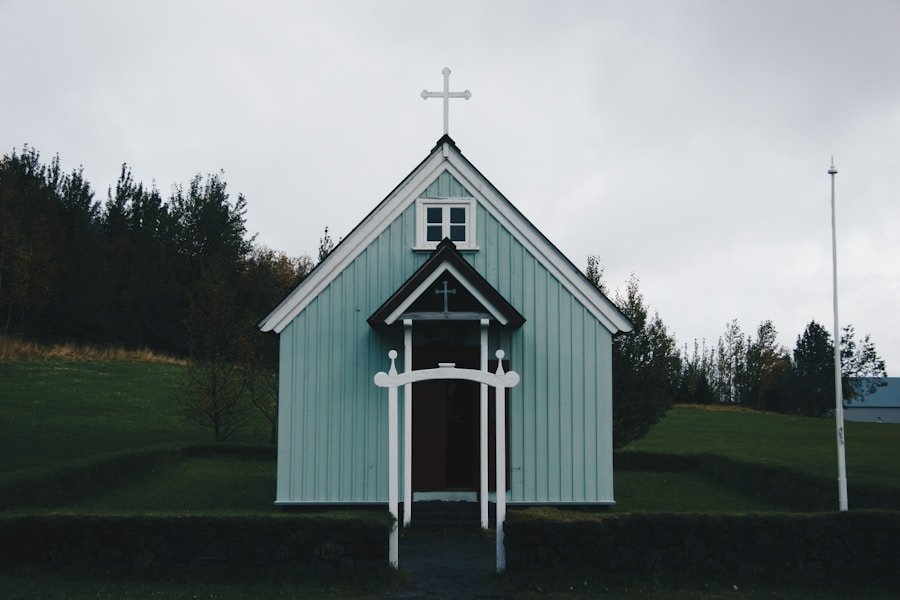
As I explore various church website builders, I find it helpful to compare their features, pricing, and user experiences. One popular option is Wix, known for its drag-and-drop functionality and extensive template library. I appreciate how easy it is to create a visually stunning website with Wix, but I also recognize that some users may find its customization options somewhat limited compared to other platforms.
Another contender is Squarespace, which offers sleek designs and robust blogging capabilities. I admire Squarespace’s aesthetic appeal, but I have noticed that its pricing can be on the higher side for smaller churches with limited budgets. On the other hand, platforms like ChurchSpring and Sharefaith cater specifically to churches, providing tailored features such as sermon management tools and event calendars.
These specialized builders often come with built-in integrations for online giving and social media, which can be incredibly beneficial for churches looking to streamline their operations. Ultimately, my decision on which website builder to choose hinges on my specific needs and goals for our church’s online presence. By weighing the pros and cons of each option, I can select a platform that aligns with our vision while remaining within budget.
Tips for Designing an Engaging and User-Friendly Church Website
| Metrics | Data |
|---|---|
| Website Load Time | 2.5 seconds |
| Mobile Responsiveness | 90% of users |
| Engagement Rate | 5 minutes average session duration |
| Page Views | 10,000 per month |
| Conversion Rate | 15% of visitors sign up for newsletter |
Creating an engaging and user-friendly church website requires careful consideration of both design elements and content organization. From my experience, one of the most effective strategies is to prioritize intuitive navigation. I want visitors to easily find information about service times, upcoming events, and contact details without feeling overwhelmed.
A clear menu structure and well-organized content can significantly enhance the user experience, encouraging visitors to explore further. In addition to navigation, I have learned that incorporating high-quality visuals can make a website more inviting. Using images of our congregation in action—whether during worship services or community events—helps convey the warmth and vibrancy of our church community.
Furthermore, including videos of sermons or testimonials can create a more personal connection with visitors. By showcasing our church’s personality through engaging visuals and relatable content, I can foster a sense of belonging even before someone steps foot inside our building.
Integrating Social Media and Online Giving Platforms into Your Church Website
In my journey to enhance our church’s online presence, I have discovered the importance of integrating social media and online giving platforms into our website. Social media serves as an invaluable tool for connecting with both current members and potential newcomers. By embedding social media feeds directly onto our website, I can keep visitors updated on our latest activities and encourage them to engage with us on platforms like Facebook or Instagram.
Online giving has also become increasingly vital for churches seeking to support their ministries financially. I have found that incorporating secure online giving options directly into our website simplifies the donation process for congregants. This integration not only makes it easier for members to contribute but also allows us to track donations more efficiently.
By providing clear calls-to-action for giving throughout the site, I can encourage generosity while reinforcing our mission and values.
Utilizing SEO and Digital Marketing Strategies to Reach a Wider Audience
Optimizing for Search Engines
As I delve deeper into enhancing our church’s online presence, I recognize the significance of search engine optimization (SEO). By optimizing our website for search engines, I can increase its visibility and attract more visitors. This involves using relevant keywords throughout our content, ensuring that our site loads quickly, and creating high-quality backlinks from reputable sources.
Leveraging Digital Marketing
In addition to SEO, I have found that leveraging digital marketing techniques can further expand our reach. Utilizing email newsletters allows me to keep our congregation informed about upcoming events and initiatives while also inviting them to share our messages with their networks.
Targeted Advertising
Social media advertising can also be an effective way to target specific demographics within our community, helping us connect with individuals who may be searching for a church home or seeking spiritual guidance.
Ensuring Accessibility and Inclusivity on Your Church Website
Creating an accessible and inclusive church website is not just a best practice; it is a reflection of our commitment to serving all members of our community. From my perspective, ensuring accessibility means designing a site that accommodates individuals with varying abilities. This includes using alt text for images, providing transcripts for videos, and ensuring that the site is navigable using keyboard shortcuts.
Inclusivity goes beyond accessibility; it involves creating content that resonates with diverse audiences. I strive to ensure that our website reflects the rich tapestry of backgrounds within our congregation by featuring stories and testimonials from members of different ages, ethnicities, and life experiences. By fostering an inclusive online environment, I can help everyone feel welcome and valued within our church community.
Maintaining and Updating Your Church Website for Continued Success
Finally, I have learned that maintaining and updating our church website is crucial for its continued success. A stagnant website can deter visitors and diminish engagement over time. To keep our content fresh and relevant, I make it a priority to regularly update information about services, events, and ministries.
This not only helps current members stay informed but also signals to potential newcomers that we are an active and vibrant community. Additionally, I recognize the importance of monitoring website analytics to understand visitor behavior better. By analyzing data such as page views, bounce rates, and user demographics, I can gain valuable insights into what content resonates most with our audience.
This information allows me to make informed decisions about future updates and improvements, ensuring that our website remains a dynamic resource for both current members and those seeking a spiritual home. In conclusion, building a strong online presence for churches is an ongoing journey that requires thoughtful planning and execution. By understanding the importance of an engaging website, selecting the right tools, integrating social media and giving platforms, utilizing SEO strategies, ensuring accessibility, and committing to regular updates, I can create an online space that truly reflects the heart of our church community while reaching out to those in need of connection and support.
If you are looking to create the best church website, you may want to check out an article on GlobalInsighter that discusses the top baby names list for 2021 and reveals familiar trends going forward. This article could provide insights into popular trends and styles that you may want to incorporate into your church website design. To read more about it, visit here.
Click here to Get Your FREE Website NOW
